Category Archives: Uncategorized

Understanding Inactive Status in Florida Real Estate Voluntary vs. Involuntary

In the state of Florida, real estate licenses can become inactive through either voluntary or involuntary means. Here’s a brief explanation of the differences between voluntary inactive and involuntary inactive status:

Voluntary Inactive Status:

  • Choice of the Licensee: Real estate licensees in Florida may choose to place their license in voluntary inactive status. This is a decision made by the licensee, typically due to personal reasons such as taking a break from real estate activities, pursuing other career opportunities, or any other personal circumstances.
  • Duration: The licensee can keep the license in voluntary inactive status for a certain period without facing additional requirements. However, there might be continuing education requirements to reactivate the license when the licensee decides to return to active real estate practice.
  • Control: The licensee has control over the decision to go into voluntary inactive status and can reactivate the license by fulfilling any necessary requirements.
  • Here is the link to voluntarily inactive your license https://www.myfloridalicense.com/CheckListDetail.asp?SID=&xactCode=4020&clientCode=0601&XACT_DEFN_ID=2958

Involuntary Inactive Status:

  • Imposed by the Regulatory Authority: Involuntary inactive status is typically imposed by the regulatory authority (such as the Florida Department of Business and Professional Regulation – DBPR) due to non-compliance with licensing requirements or other regulatory issues.
  • Reasons: It may result from failure to complete required continuing education, failure to renew the license on time, or other violations of real estate licensing regulations.
  • Reactivation Process: To return to active status from involuntary inactive status, the licensee may need to address the specific issues that led to the involuntary inactive status, which may include completing continuing education, paying fees, or resolving any compliance issues.
  • Here is the link to involuntary inactive status https://www.parkplacenetwork.com/flinvoluntaryinactive


It’s important for real estate licensees in Florida to be aware of the specific requirements and procedures associated with both voluntary and involuntary inactive statuses. The Florida Department of Business and Professional Regulation (DBPR) is the authoritative source for up-to-date information on real estate licensing regulations in the state.

Preguntas Bienes Raices

Overview of Education Exemptions in Florida Real Estate Licensing: Degrees, Attorneys, and Course Requirements

A general overview of education exemptions for Real Estate licenses in Florida:

FREC Course I and Course II:

4-Year Real Estate Degree: Individuals with a 4-year or higher degree in real estate from an accredited institution are exempt from taking FREC Course I.

Florida-Licensed Attorney: Florida-licensed attorneys are exempt from the FREC Course I, but are not exempt from the Course II.

Post-License Education:

4-Year Real Estate Degree: Having a 4-year or higher real estate degree are exempt from taking the Post-license education requirements.

Florida-Licensed Attorney: Florida-licensed attorneys are not exempt from the Post-license education.

Continuing Education:

4-Year Real Estate Degree: A 4-year or higher real estate degree is not exempt from taking the Continuing education requirements.

Florida-Licensed Attorney: An active attorney licensed in Florida may be exempt from the Continuing education requirements.

License Exam:

4-Year Real Estate Degree: Having a 4-year or higher real estate degree is not exempt from taking the license exam.

Florida-Licensed Attorney: Florida-licensed attorneys are not exempt from taking the license exam.

For more information please click on these two links below:

https://www.myfloridalicense.com/CheckListDetail.asp?SID=&xactCode=1010&clientCode=2501&XACT_DEFN_ID=744 

https://www.myfloridalicense.com/CheckListDetail.asp?SID=&xactCode=1014&clientCode=2501&XACT_DEFN_ID=806


63 Hr. Curso de Pre-licenciatura para Vendedor Asociado

For the Florida Real Estate Exam: Options for Online and In-Person Testing

          Online Exam:

  • Remote Proctoring:This allows candidates to take the exam from a location of their choice using a computer with a stable internet connection. A remote proctor monitors the exam using webcam and screen-sharing technology to ensure security and adherence to testing rules.
  • Requirements: To take the exam online, candidates typically need a suitable computer, a webcam, a microphone, a stable internet connection, and a private, quiet testing environment that meets the proctoring service’s specifications.
    In-Person Exam:
  • Test Centers: These are physical locations where candidates can take the exam under controlled conditions monitored by testing staff.
  • Requirements: Candidates need to schedule an appointment, arrive at the designated test center on time, and follow specific guidelines set by the testing center, such as ID verification and adhering to testing regulations.

Before deciding on a testing method, it’s important for candidates to consider factors like convenience, accessibility, and their own preferences. Some may prefer the flexibility of taking the exam from home, while others might feel more comfortable in a controlled, in-person environment. For more information about the Online/In-Person exam option https://home.pearsonvue.com/fl/realestate.

Navigating Interstate Real Estate Licensing: Understanding Reciprocity and Mutual Recognition in Florida

In the context of real estate licensing, mutual recognition agreements and reciprocity are mechanisms that allow individuals licensed in one state to potentially obtain a license in another state without having to fulfill all the usual licensing requirements.

  1. Reciprocity: This is an arrangement between two states where one state agrees to accept the real estate license from another state without requiring the licensee to complete additional education or testing. It allows a licensed real estate agent from one state to apply for a license in another state with similar licensing requirements. The second state essentially acknowledges the qualifications of the licensee from the first state. However, reciprocity doesn’t always exist between all states, and there might be specific conditions or requirements for a license to be granted based on reciprocity.
  2. Mutual Recognition Agreement: Similar to reciprocity, a mutual recognition agreement involves two or more states acknowledging each other’s real estate licenses. However, this agreement typically goes a step further. It often involves more extensive cooperation between the participating states regarding licensing standards, education, and ongoing professional requirements. These agreements might involve a more standardized set of conditions and could allow for a smoother process of obtaining a license in the participating states.

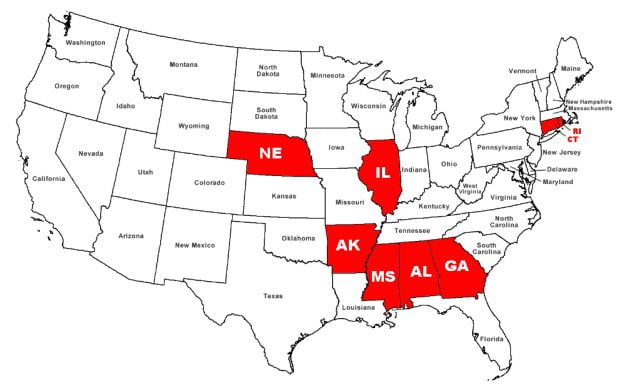
The State of Florida does not have reciprocity, however; Florida does have mutual recognition agreements with certain states (Alabama, Arkansas, Connecticut, Georgia, Illinois, Mississippi, Nebraska, and Rhode Island).For more information about Mutual Recognition Agreements in the State of Florida please click on this link http://www.myfloridalicense.com/DBPR/real-estate-commission/mutual-recognition-states/


Apply for a Florida Real Estate License

To apply for youlicense:
  1. Get your fingerprints taken by a real estate fingerprinting place near you.
    1. In case they ask you, the ORI code for real estate in Florida is FL920010Z
    2. Recommended www.apexfingerprinting.com
    3.  Or just google places near where you live
    4. Wait for 3 to 5 days after you get your fingerprints taken.
  2. Go to www.myfloridalicense.com (DBPR’s website) and apply under Real Estate Commission for the Initial Sales Associate License.
      1. Home screen – Apply for a License (yellow button)
      2. Choose Real Estate Commission from the list of industries.
      3. Apply for a license (green tab)
      4. Choose Initial Sales Associate LicenseForm RE-1.
  1. When approved. and you will know because you receive an email from the DBPR, book your test with www.pearsonvue.com, the approved testing center for Florida
    1.  You will need to wait for the DBRP to send you an approval email first. It usually takes from 3 weeks to 4 weeks. It could be taking even longer now with the high volume of applications that they are processing now.
    2.  In the approval email, you will find the FLREAPP ID (Florida Real Estate application approval ID) that you will need to schedule your State Exam with Pearson Vue.
  2. Don’t wait until you complete the course. Start your application now!
real estate class

Get a Florida Real Estate License

The most common question we get over the phone is what a student needs to do to obtain the real estate license in Florida. We will summarize the most important steps in this article.

First step: You take the 63 Hour Pre-license real estate course, and pass the exam at the end of the class. You can register at www.edgewateracademy.com to start right away.

Second Step: You apply for a real estate license with the Florida DBPR. Log in to www.myfloridalicense.com, and follow the instructions on their Home Page.

Third Step: You also need your electronic fingerprints as part of your real estate license application process. The DBPR will use them to check your criminal background. Our suggested vendor in Miami is www.apexfingerprinting.com, but you can Google other vendor near you. The most important thing to remember is that the fingerprints need to be electronic.

Forth Step: Once your real estate license application is approved by the DBPR, and you have also passed the end-of-class exam, you can proceed to book your Florida Real Estate Exam with the Pearson Vue, the approved testing center of the DBPR. Please go to www.pearsonvue.com for that purpose.

Fifth Step: Once you pass the Florida Real Estate Exam, your initial real estate license will be granted  by the DBPR, and all you need to do is to activate it with a Real Estate Broker in Florida.

If you have any additional questions, please don’t hesitate to call Edgewater Real Estate Academy at 305-330-5466, and we will be ready to assist you!

Reopening our real estate school in our new location in Edgewater

We are pleased to announce that we are open for in-person classroom courses again. Our beautiful and comfortable new location is located at the corner of Biscayne Blvd and 23rd Street in the heart of Edgewater, Miami. Please look for us at

2275 Biscayne Blvd, Miami FL. 33137, Suite 1. 

We are offering real estate courses to help you get your real estate license in Florida, our courses are both in English or Spanish. Our best seller is always the in-person classroom course and the next one is starting next Tuesday, September 28th at 10 AM.

If you are not able to attend our in-person real estate classes, please look for our online courses

Our prices are very competitive and they range from $120 to $399, to fit all budgets. Take advantage of our great location, experienced instructors, and low prices.

Welcome back!

ONLINE PEARSON VUE TESTING FOR STATE LICENSE EXAMINATIONS – EFFECTIVE AUGUST 4 2020

When will online proctored testing be available for
DBPR exams?

Online proctored testing will be available for select exams starting August 4, 2020.

Which exams will be available for online
proctored testing?
The following exams will be available for online proctored testing:

  • Real Estate
  • Sales Associate
  • Broker Associate
  • Real Estate Instructor
  • Real Estate Laws & Rules
  • Florida Appraiser Supplemental Law & Rules

Is the exam still proctored?
Exams will be proctored and monitored by a live proctor.

How does online proctored testing work?
Similar to center-based testing, online proctored testing requires that you be monitored by a proctor while you take your exam, but they will do so through your microphone and webcam.

Before starting the exam, you will need to complete a self-check-in process. You will be prompted to take a headshot photo, a picture of your identification card/driver’s license, and pictures of your surroundings. Once you begin the exam, you will not be permitted to leave the room or move out of the proctor’s view.

If you have a question during the exam, you can use the “Chat” function at the top of the screen to contact the proctor

Can a candidate just take the exam whenever they
want to?
Since you are required to be video monitored by a live proctor during your exam, the exam is not “on-demand” and you will need to schedule it ahead of time. However, appointments are offered 24/7 so you should be able to find a time that is convenient for your schedule.

Where can I take my exam?
You can test at home or in your office. Whether it is your home or your office, you should be in a walled room, with a closed door, and without distractions. Find a quiet, private location. Once the exam begins, you are not permitted to talk, stand, or move from your seat. Also, no one else is permitted in the room with you while you are testing.

During the check-in process after you have submitted all required photos, the proctor may ask to see your environment, including the walls, floor space and the desktop. This is to ensure you are not within arm’s reach of books, notepads, post-it notes, papers, pens, pencils, or other writing instruments/objects. Additional monitors must be unplugged, and additional computers must be turned off. Items on the wall such as wall art, posters and whiteboards will be inspected. If you are unable to complete this room scan, you are not permitted to proceed further or to take the exam.

Is my workspace okay for testing?
During the check-in process, you will be asked to take four photos of your work area, which will be checked by a proctor prior to exam launch. Please ensure that your desktop is clean and that you are not within arm’s reach of books, notepads, sticky notes, papers, pens, pencils, and other writing instruments/objects. Additional monitors and computers must be unplugged and turned off. Items on the wall with writing on them, such as whiteboards, will be inspected. If your workspace does not pass a room scan, you will not be permitted to proceed with taking the exam.

What technology will be needed for online proctored testing?
A candidate will need a functioning home computer or laptop with a webcam with microphone and strong internet connection.

How do I know my computer will work with the online proctored software?
Prior to their exam, candidates they will need to run a system check to test the compatibility of the OnVUE application.

Will I be able to access the internet while taking my exam?
Your computer will be locked down once you start your exam. You will not be able to access the internet or use other software applications while taking an exam.

Are breaks during the test available?
A candidate will NOT be able to take a break once the exam starts and no one is allowed to enter the space where exam is being taken.

During traditional center-based testing, candidates are allowed to have a blank sheet of paper for notes and a calculator if needed. Am I allowed to have these during the online exam?
During the online exam session, you are not allowed to use exam-specific materials and are not permitted to use scratch paper, erasable whiteboards, a calculator, or any other physical writing objects such as a pen, marker, or pencil. 

Instead, the exam has a built-in calculator feature. Whether you are taking the exam online or at a testing center, you will have access to the built-in calculator. You can access it by clicking on calculator icon in the exam screen. 

For the online exam, you will also be able to access a built-in whiteboard while taking your online proctored exam. This feature gives candidates the choice to work through items visually by entering notes or drawing shapes. You can access it anytime during the exam by clicking the eraser icon at the top of the screen. You can learn more about this feature here.

Please note, during your online exam, you can access both the built-in whiteboard and calculator at the same time to perform notes and calculations.

Will I be able to schedule a review of my test if I fail my examination?
At this time, reviews will only be available for candidates taking the exam at a test center; it will not be an option for an exam taken online.

Why am I being asked to pay again for my exam? I already paid when I registered for the exam at a test center.
You will need to pay again to schedule for an online exam. If you cancel your registration at the test center following the cancelation policy, you will be refunded the cost of that exam.

Why did I receive 2 emails for test authorization?
You received 2 separate emails for test authorization because the test center and online testing are 2 separate systems. Please schedule for the one method of delivery you prefer.

Establish and account with the DBPR to become licensed

New licensees should establish an online account with DBPR at its myfloridalicense.com website early. Waiting until the last day before renewal may result in long delays because of the heavy website traffic.

Ensure that the myfloridalicense.com site has your current address and license status in its records. If your mailing address is different from the one in DBPR’s records, you are subject to a $100 citation. Be sure to send in a change of address to the DBPR using Form RE-10. You can use the site to renew and print your license.