

Mastering Real Estate Farming and Target Marketing: A Guide for Real Estate Agents
In the competitive world of real estate, success isn’t just about closing deals; it’s about building a brand, fostering trust, and nurturing relationships. Two key strategies that can significantly help real estate agents in achieving these goals are real estate farming and target marketing. Both techniques allow agents to focus their efforts on areas and […]
Read More
Tax Benefits of Owning a Principal Residence: Key Advantages Every Homeowner Should Know
Owning a principal residence can offer several tax advantages, which can help reduce your overall tax burden. Here’s a breakdown of the key benefits: 1. Mortgage Interest Deduction If you have a mortgage on your home, you can usually deduct the interest you pay on that loan from your federal income taxes. This is especially […]
Read More
Understanding ASB and AQB: A Beginner’s Guide to Real Estate Appraisal Standards and Qualifications
In real estate, ASB and AQB refer to different guidelines related to the appraisal process, which is the process of determining the value of a property. Here’s a simple breakdown: ASB (Appraisal Standards Board): Purpose: The ASB sets the rules and guidelines for how appraisals should be conducted. What It Does: It establishes the Uniform […]
Read More
Understanding the Four Steps of the Cost Approach in Real Estate Appraisa
The cost approach is a method used in real estate appraisal to estimate the value of a property by considering the cost to replace or reproduce it. Here’s a breakdown of the four steps: Estimate Reproduction Cost: Calculate how much it would cost to build an exact replica (reproduction) or a similar structure (replacement) of […]
Read More
Understanding Mortgagor and Mortgagee in Real Estate
In real estate, the terms “mortgagor” and “mortgagee” are used to refer to the two main parties involved in a mortgage loan. Here’s a simple explanation: Mortgagor: Who they are: The mortgagor is the borrower. What they do: They take out a mortgage loan to buy a property. In other words, they promise to pay […]
Read More
Essential Preliminary Steps to Closing a Real Estate Transaction
Closing a real estate transaction involves several steps to ensure a smooth transfer of ownership from the seller to the buyer. Here’s a general overview of the preliminary steps leading up to the closing: Offer and Acceptance: Making an Offer: The buyer submits a purchase offer to the seller, usually through a real estate agent. […]
Read More
Understanding Leasehold Estates: Estate for Years vs. Tenancy at Will
In real estate, “estate for years” (also known as “tenancy for years”) and “tenancy at will” are two types of leasehold estates, each with distinct characteristics. Here’s a detailed comparison and definition of each: Estate for Years (Tenancy for Years) Definition: An estate for years, or tenancy for years, is a leasehold interest in property […]
Read More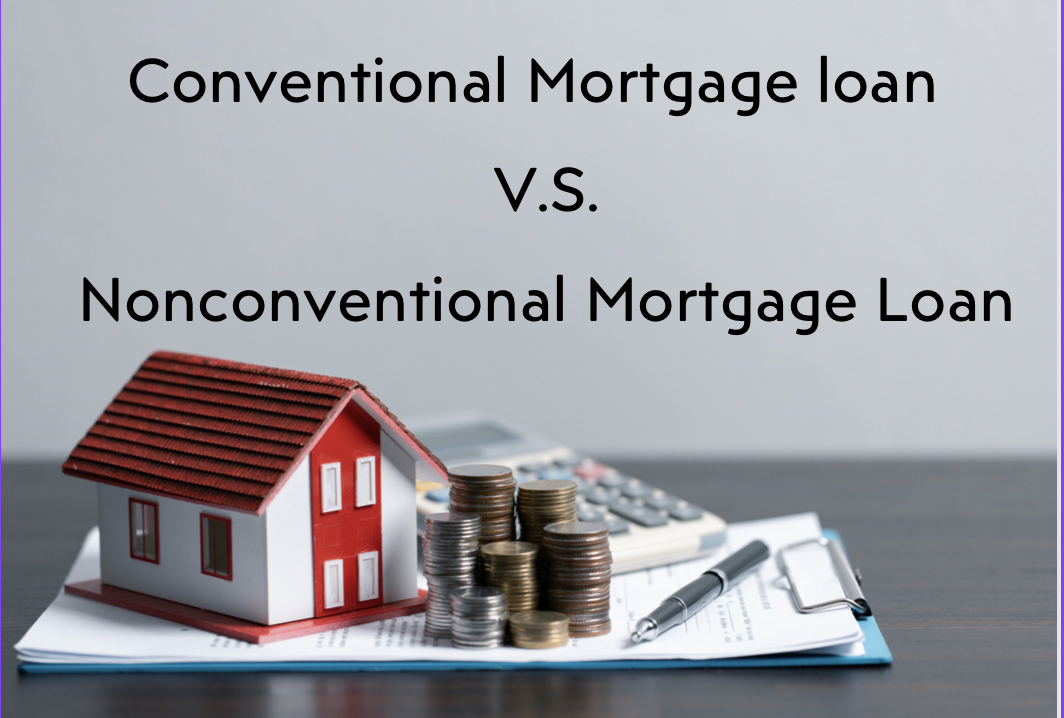
Understanding the Key Differences Between Conventional and Nonconventional Mortgage Loans
Conventional Mortgage Loans Definition: Not insured or guaranteed by the federal government. Sources: Provided by private lenders such as banks, credit unions, and mortgage companies. Down Payment: Generally require a higher down payment. Credit Score: Typically require a higher credit score. Private Mortgage Insurance (PMI): Required if the down payment is below a certain amount. […]
Read More
How Military Members, Veterans, and Spouses Can Obtain a Florida Real Estate License
If you are a military member, a veteran, or a spouse seeking to obtain a Florida real estate license, there are specific provisions and benefits designed to assist you. Here’s an overview of the key points: 1. Military Veterans and Spouses: Fee Waivers: Florida waives the initial application, licensing, and unlicensed activity fees for military […]
Read More
